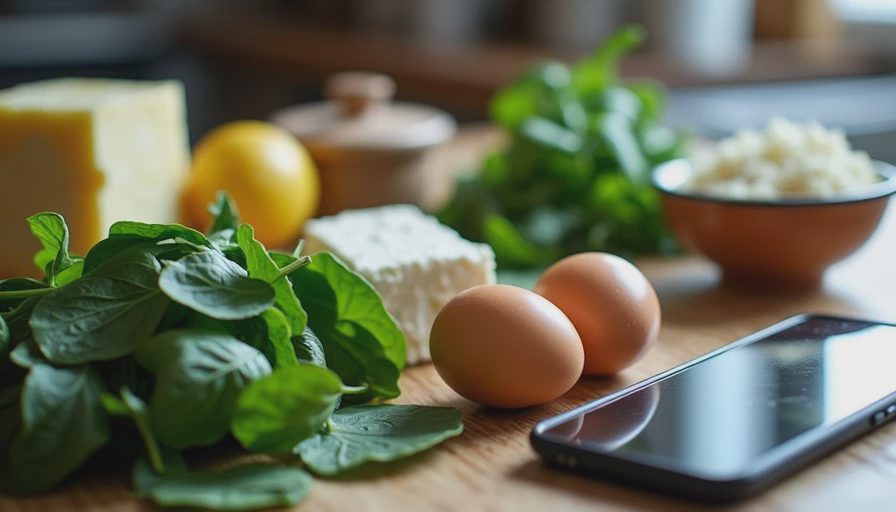
I stood in the kitchen at 6:40 p.m. with five ingredients that did not obviously belong together and a vague idea that had already started to collapse. Instead of ordering takeout, I opened the same AI tool I use for work and asked it to rescue dinner.
This is what happened when the stakes were low and the fridge was uninspiring.
The Starting Point
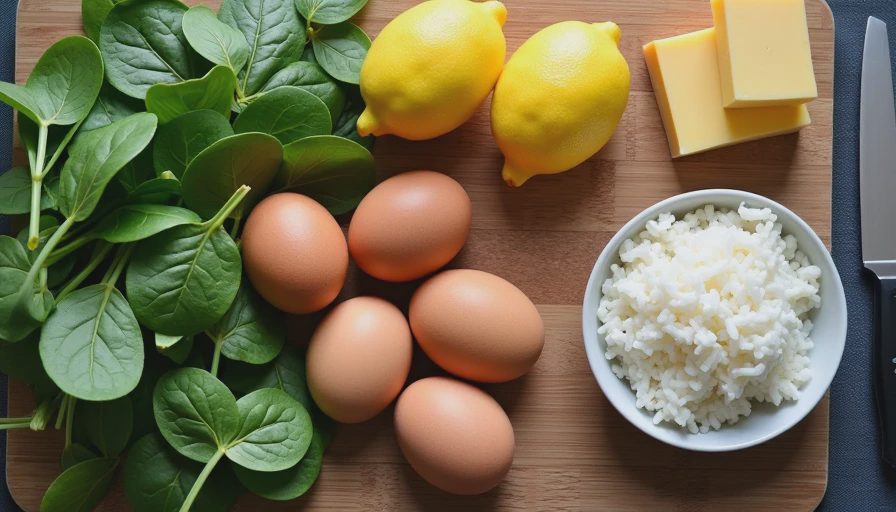
The five ingredients
Half a bag of spinach
Two eggs
A partial block of feta
One lemon
A handful of cooked rice left over from the night before
The bad idea
I had briefly considered a “Mediterranean rice bowl” and then realized I had no cucumber, no tomato, no herbs, and no real plan for the eggs. The idea was already failing before I started cooking.
Constraints I gave the tool
Use only what I listed plus basic pantry staples (oil, salt, pepper, garlic powder)
Total active time under 20 minutes
One pan if possible
Something that felt like an actual meal, not a sad scramble
The First Suggestion
The tool returned a confident plan: lemon-feta rice with wilted spinach and a fried egg on top. It sounded reasonable. It also assumed I would be happy with a fairly plain result and that the rice would reheat without turning gummy. Both assumptions were optimistic.
Where the First Plan Needed Work
Texture and timing
Reheating the rice in the same pan as the spinach produced too much moisture. The tool’s sequence did not account for that. The eggs were treated as an afterthought instead of the part that would make the plate feel finished.
Flavor balance
Lemon and feta are strong. Without something to round them out, the dish risked tasting sharp and one-note. The first version did not mention any pantry adjustment beyond salt and pepper.
The “real meal” test
A pile of rice with spinach and an egg can still feel like leftovers dressed up. I wanted it to cross the line into something I would choose to eat even if takeout were an option.
The Revision Process
I treated it exactly like a weak work draft.
I told the tool the rice had turned soft last time I reheated it that way and asked for a better sequence.
I asked for one simple pantry addition that would round out the lemon and feta without requiring a store run.
I required the eggs to be integrated more deliberately so the plate did not feel like three separate items.
The second version suggested crisping the rice first in a little oil, adding the spinach only at the end, finishing with crumbled feta and lemon zest, and making the eggs over-easy so the yolk acted as a sauce. It also suggested a small pinch of garlic powder and red-pepper flakes if I had them.
That version was usable.
What I Actually Cooked
Crisped the leftover rice in oil until it had a few toasty edges
Added spinach and let it just wilt
Seasoned with garlic powder, salt, pepper, and a pinch of red-pepper flakes
Topped with crumbled feta, lemon zest, and a squeeze of juice
Fried two eggs and placed them on top so the yolks could run
Total active time: about 15 minutes. One pan. The result was simple but genuinely good. The bad idea had been replaced by something I would make again.

What AI Handled Well
It turned a dead-end concept into a concrete sequence.
It stayed inside the ingredient list once I enforced the constraint.
It responded cleanly to specific complaints about texture and balance.
What Still Required Human Judgment
The tool could not see or taste the food. Texture problems only became clear when I cooked.
“Basic pantry staples” still needed my knowledge of what I actually had and what would taste good together.
The final decision about whether the plate felt like a real meal sat with me, not the output.
The Verdict
Yes, AI can rescue a dinner from five ingredients and one bad idea—provided I treat the first suggestion the same way I treat a first draft at work. The value is in the structured starting point and the ability to revise quickly against real constraints.
It will not replace knowing how food behaves in a pan. It will not taste the lemon-feta balance for me. But on a weeknight when the alternative is giving up, a workable plan in under a minute is enough to keep me cooking.
Clear limitation
This works best when the ingredient list is short and the goal is simple. The more specialized the technique or the more precise the flavor target, the more the tool’s suggestions need real kitchen experience to evaluate.
I tried it so you don’t have to waste your afternoon.


No notes yet — be the first to inscribe one.